Update, August 27, 2026: Tempo Mainnet has been live since March 18, 2026. This article documents Tempo’s public testnet launch in December 2025. See the current network connection details to build on mainnet.
Today, with the launch of our public testnet, anyone can start building on Tempo.
Tempo is built to deliver instant, deterministic settlement, predictably low fees, and a stablecoin-native experience, which are qualities that most general-purpose blockchains still struggle to provide for financial applications. The testnet brings together the core features that make payments viable onchain.
Since announcing Tempo in September, we’ve moved quickly from concept to implementation. What began as a vision for a payments-first blockchain is now a functioning network being tested by many of the world’s leading companies.
We’ve been proud to work with a broad initial set of design partners – including Anthropic, Coupang, Deutsche Bank, DoorDash, Lead Bank, Mercury, Nubank, OpenAI, Revolut, Shopify, Standard Chartered, and Visa — and to have their help validating real payment workloads.
Since our announcement, we’ve welcomed Brex, Coastal, Cross River, Deel, Faire, Figure, Gusto, Kalshi, Klarna, Mastercard, Payoneer, Persona, Ramp, UBS as design partners as well.
What’s live on the testnet
Dedicated payment lanes
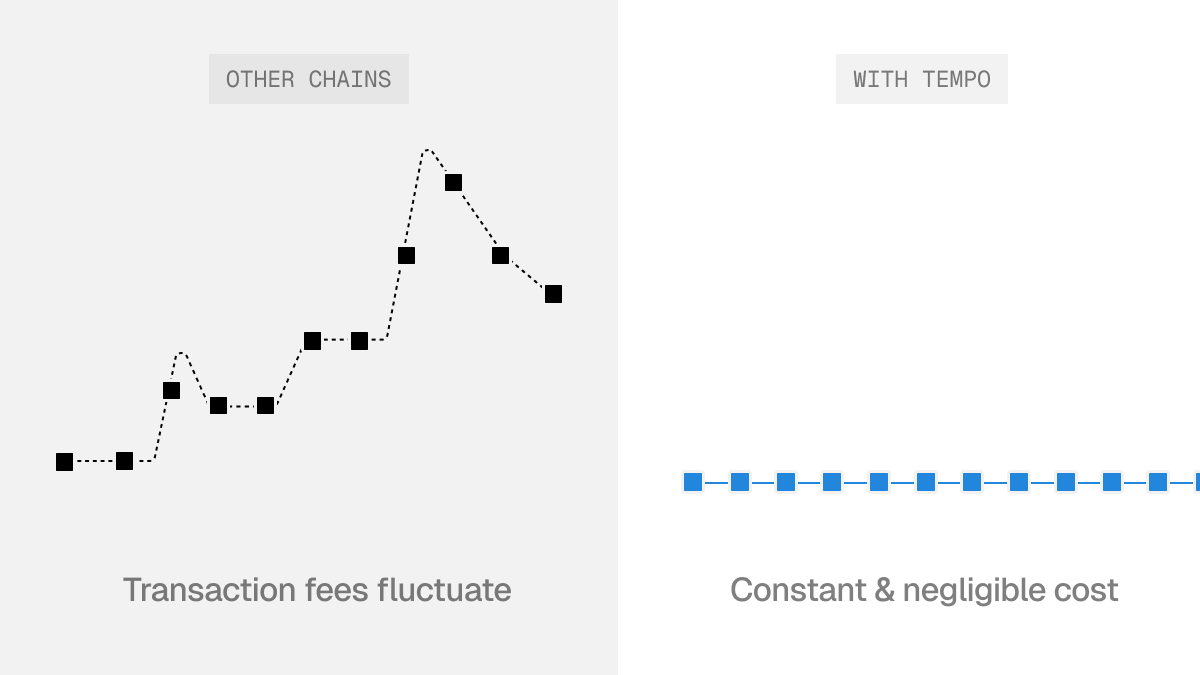
Payments have guaranteed blockspace reserved at the protocol level. They don’t compete with other traffic like NFT mints, liquidations, or high-frequency contract calls. Fees stay low and stable even when other network activity spikes, with a target of one-tenth of a cent per payment transaction. For payment processors, that means no “downtime” from congestion, and predictable economics for high-volume flows.

Stablecoin-native gas
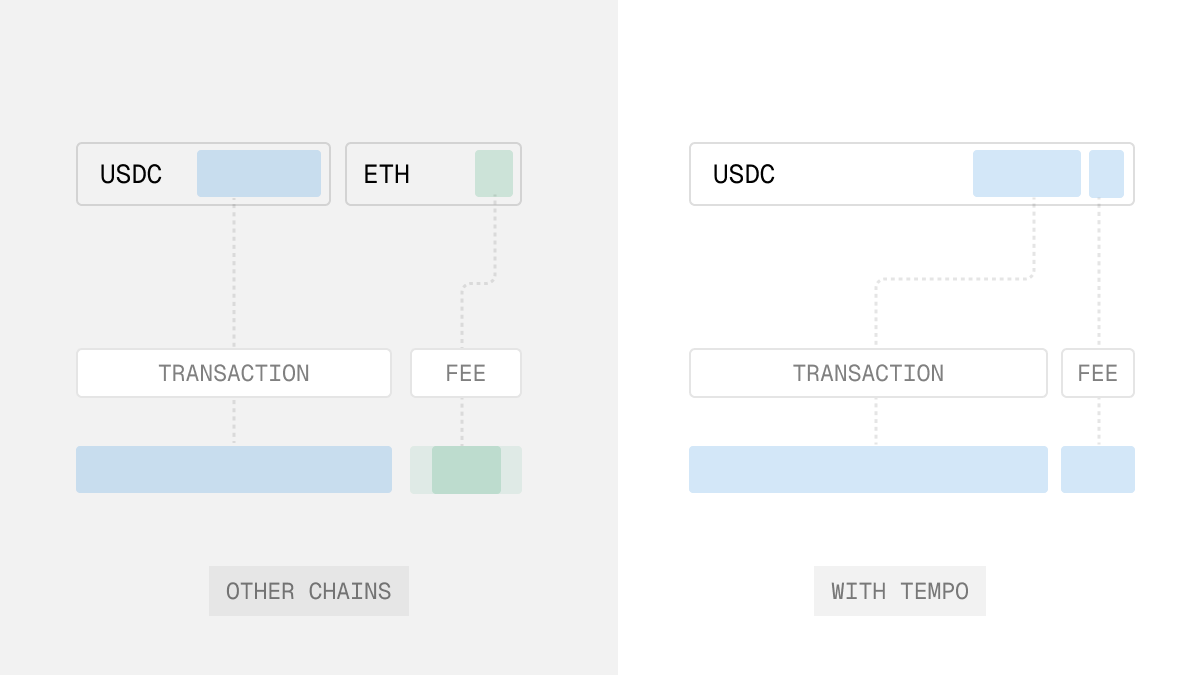
Transaction fees can be paid directly in USD-denominated stablecoins. This removes the need for volatile gas tokens and lets payment applications operate entirely in the same currency as their underlying flows, ensuring predictable costs and simpler accounting. For wallets and custodians, this removes the need to hold a balance of new cryptoassets just to facilitate stablecoin payments.
Built-in stable asset DEX
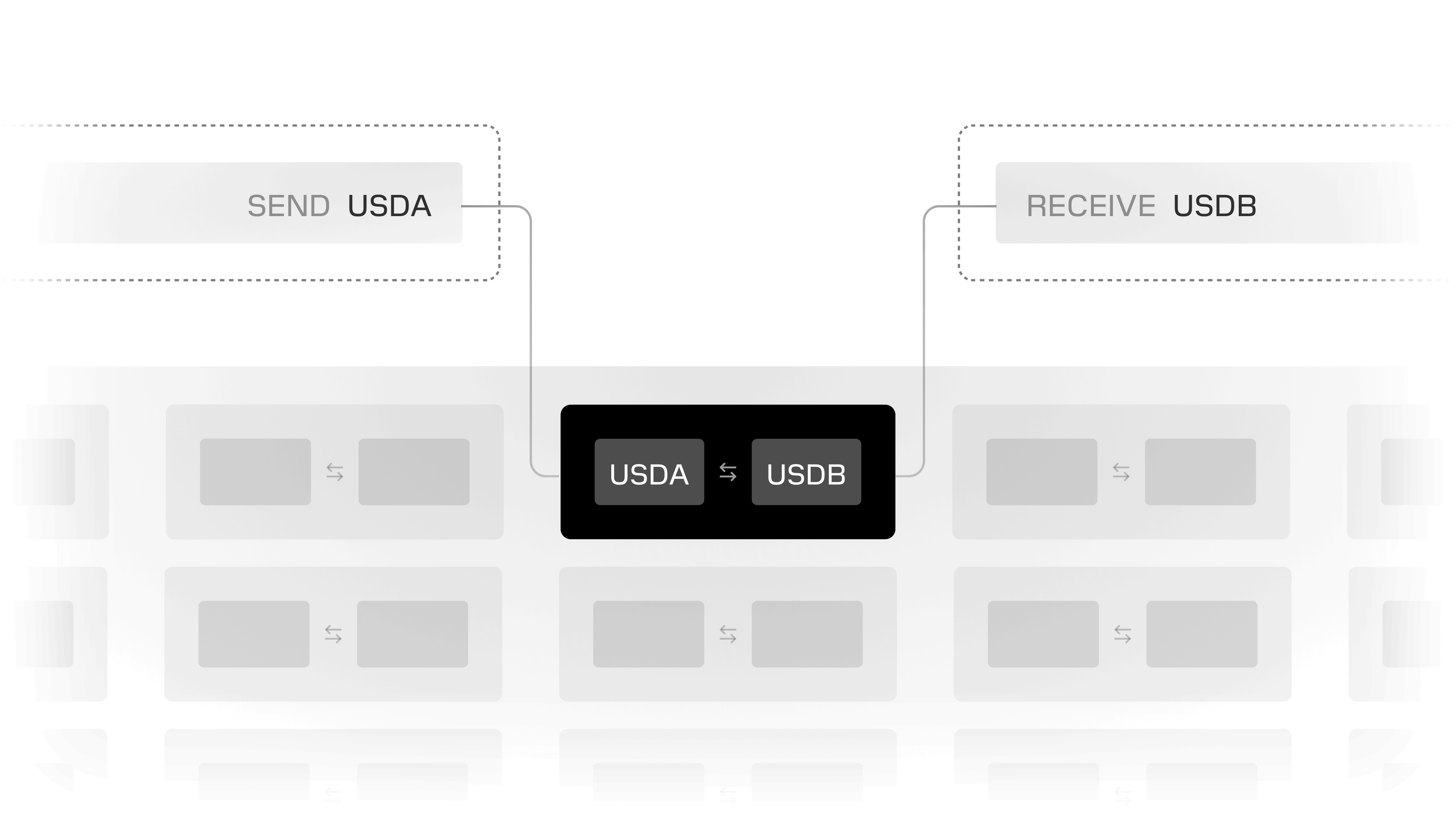
Tempo includes a native decentralized exchange optimized for stablecoins and tokenized deposits. This means users can pay fees in any USD stablecoin, and validators can receive fees in any USD stablecoin, with the protocol automatically converting between them using onchain liquidity. It also consolidates onchain liquidity into a single system that simplifies routing and makes it easy for users to trade between stablecoins, or send cross-stablecoin payments.
Payments and transfers metadata
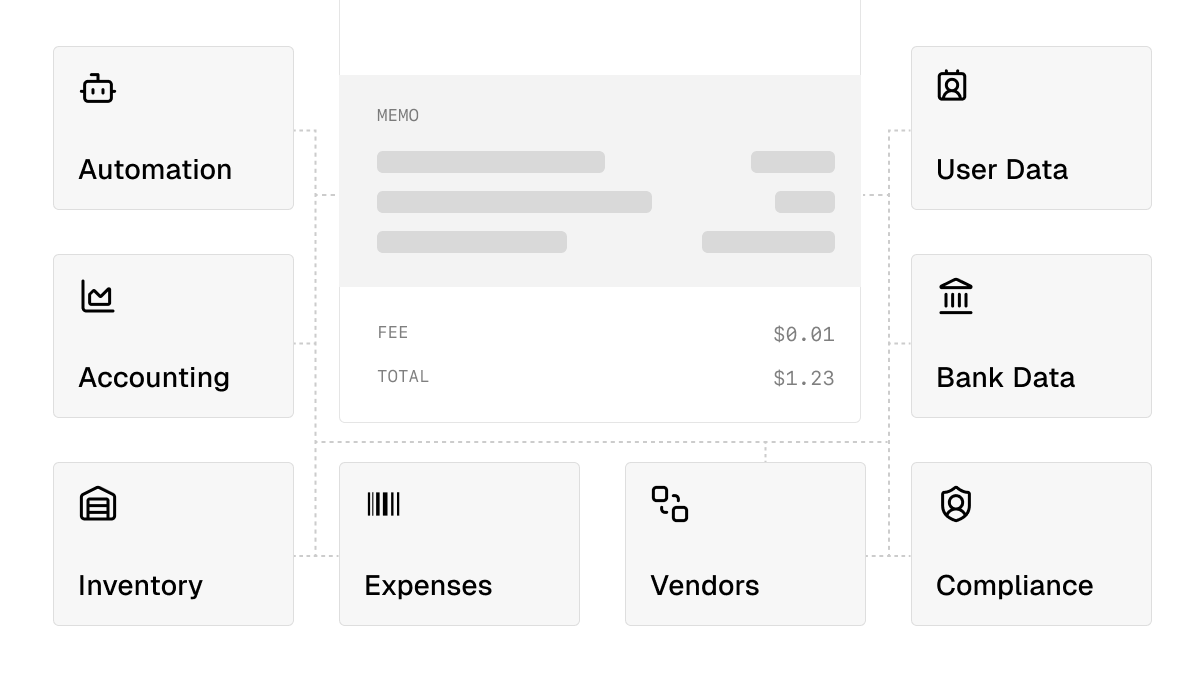
Each transfer can include structured memo fields for invoice numbers, cost centers, or other identifiers. This makes it simple to reconcile payments against existing ERP, TMS, and accounting systems without having to write and maintain code to do so. Larger payloads can reference off-chain data via hashed commitments, preserving privacy while keeping onchain records auditable.
Fast, deterministic finality
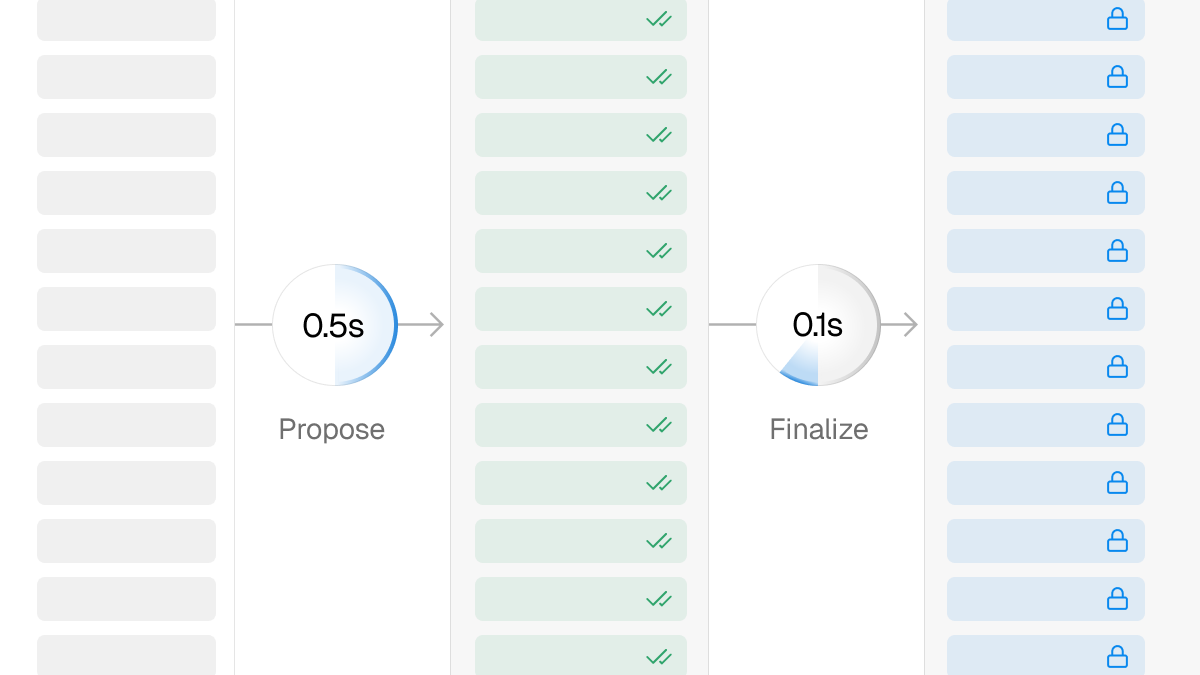
Tempo uses Byzantine fault-tolerant consensus. To start, we operate four validators and will soon have many more, as discussed below. Blocks are finalized every ~0.5 seconds, and transactions in finalized blocks are guaranteed to be included in the chain. This gives payment operators the same settlement certainty they expect from existing financial systems, with speed that matches best-in-class blockchains. Looking ahead, we are exploring even faster confirmation paths to support API-speed payment flows.
Modern wallet signing methods
Tempo has built-in support for gas sponsorship, batch transactions, scheduled payments, and modern authentication through passkeys. Developers can deploy payment logic without managing additional middleware or custom contracts.

What can you build with Tempo?
Tempo is being used to validate payments workloads across several categories that reflect the core of the global payments economy, including:
Remittances
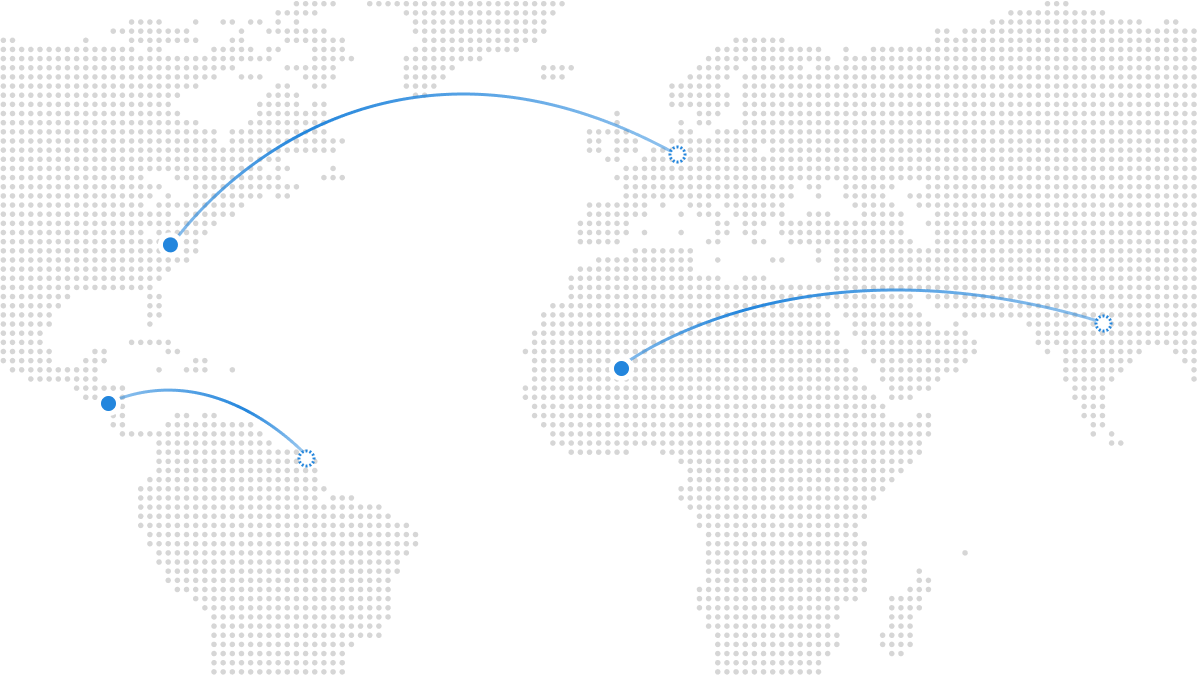
Tempo’s deterministic finality removes settlement uncertainty, and stablecoin gas makes cross-border transfers simple to price and execute 24/7. Partners are testing corridor payments that settle in seconds with full auditability.
Global payouts
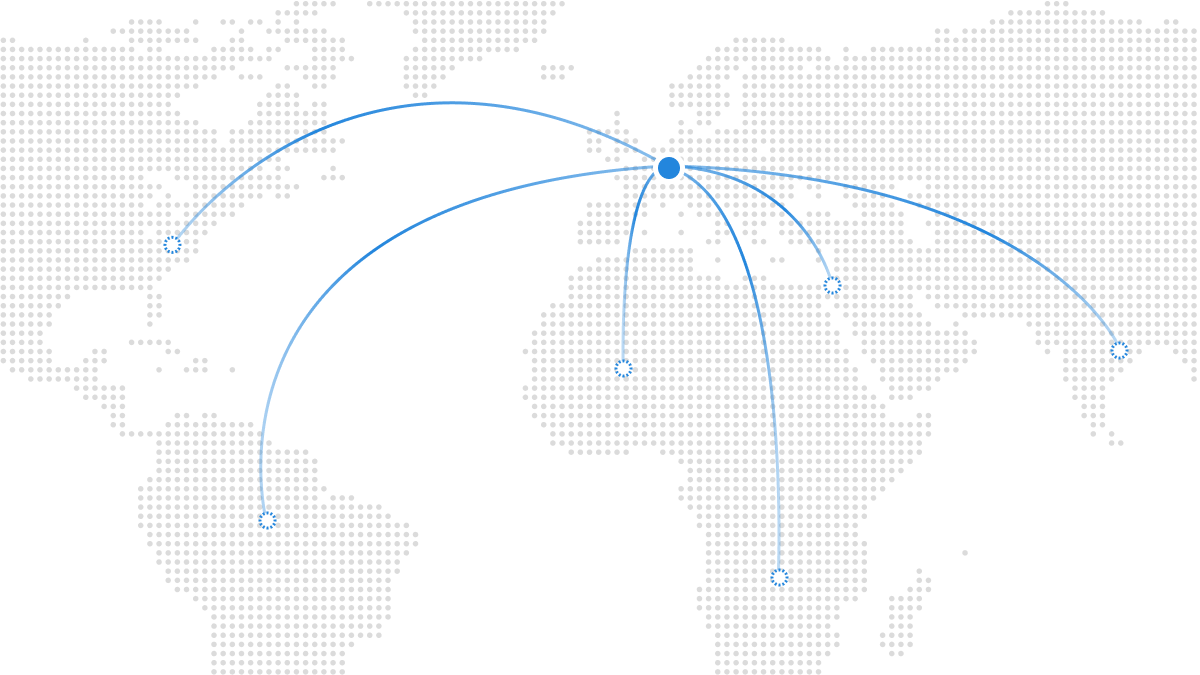
Design partners such as payroll platforms and global commerce networks will be using Tempo’s dedicated payment lanes to guarantee reliability even during market volatility. The result is a stable, low-cost rail for high-volume disbursements.
Embedded finance
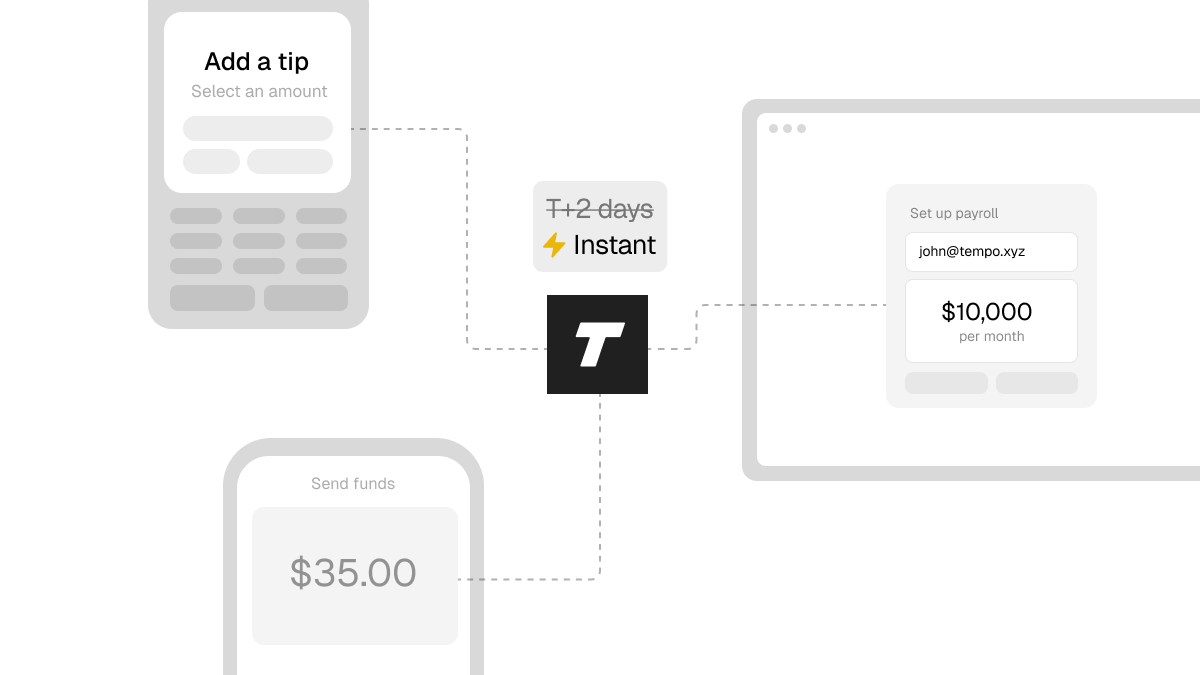
Developers are integrating Tempo’s smart accounts and protocol-level memos to embed payment flows inside consumer and enterprise applications, without building new ledger infrastructure.
Microtransactions
Tempo’s fixed fee model, which targets one-tenth of a cent, makes use cases like usage-based APIs, content streaming, and IoT services commercially viable.
Agentic commerce
Developers working on agent frameworks are using Tempo’s programmable accounts and deterministic settlement to allow agents to transact with immediate finality and predictable fees, without dependency on volatile token markets.
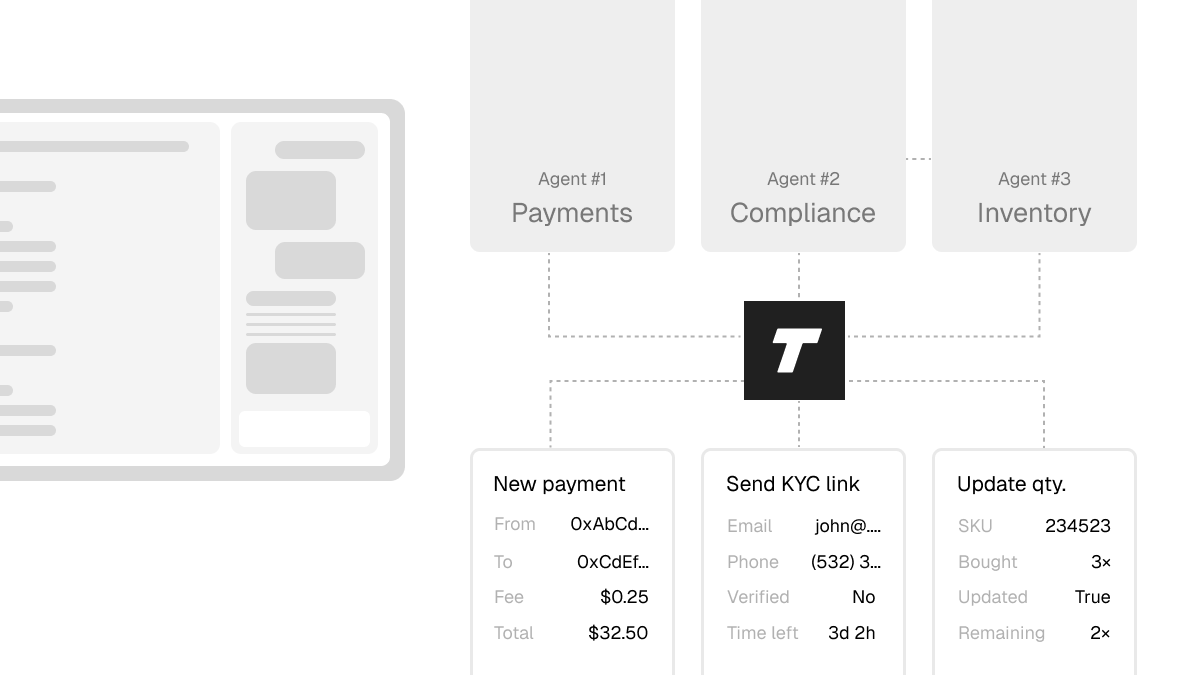
Tokenized deposits
Financial institutions are testing Tempo as a base layer for tokenized deposits, leveraging our reconciliation primitives and compliance registry to mirror traditional banking controls while gaining real-time settlement capabilities.

A payments-first blockchain is just the foundation to power use cases like these. We’re grateful that best-in-class infrastructure providers, with deep experience building stablecoin applications, have chosen to partner with us.
Since our announcement, we’ve expanded the Tempo ecosystem with an additional 40 infrastructure partners who span developer tools, on- and off-ramps, DeFi applications, and more. They each enable critical services to help businesses and users interact with Tempo.
What’s next for Tempo?
Today’s testnet launch kicks off the next phase of Tempo’s development, with a focus on scale, reliability, and integration experience. Over the coming months, we’ll continue onboarding new infrastructure partners, adding new features and developer tooling, and stress-testing throughput under real payment loads.
A permissionless future
Tempo will be a permissionless, decentralized chain, and we’ve already shipped the foundation for that in this testnet. The Tempo client is open source under the Apache license, and anyone can run a node or sync the chain. The chain is permissionless and neutral, allowing anyone to deploy contracts, issue tokens, and send transactions.
Today’s testnet uses a rotating set of four validators operated by our team. As we move toward mainnet, we’ll onboard validators from design partners, infrastructure partners, and other independent operators. Over time, we plan to expand to a fully permissionless validator set.
Our goal remains the same: to make payments onchain fast, reliable, and composable. Basically, to behave like payments should on the internet.