Issuing your stablecoin on Tempo gives you distribution into enterprise payment flows, structural demand through network economics, and native compliance infrastructure. This guide covers what Tempo offers stablecoin issuers and how to get started. Get in touch with our Enterprise Team.
Companies like Klarna, Nubank, Shopify, Deel, DoorDash and many others are working with Tempo to bring stablecoins to their customers. For stablecoin issuers, these are real payment flows moving onchain: enterprise payroll, global payouts, and remittances. Issuing on Tempo means your stablecoin shows up where payments are already happening, with 60+ ecosystem partners integrated and compliance built-in.
Why issue a stablecoin on Tempo
Launching a stablecoin is straightforward. Getting the adoption is the hard part. It comes down to three things: distribution, compliance that unlocks regulated holders, and economics that give distribution partners a reason to choose yours. Here is what Tempo offers:
Distribution into active payment flows
Tempo is purpose-built for payments: high throughput, low cost, and native account abstraction designed for real-world use cases. Enterprises are building cross-border payouts, remittances, payroll, and embedded finance on Tempo. Issuing on Tempo means your stablecoin is available in these flows from day one.
Network economics that create stablecoin demand
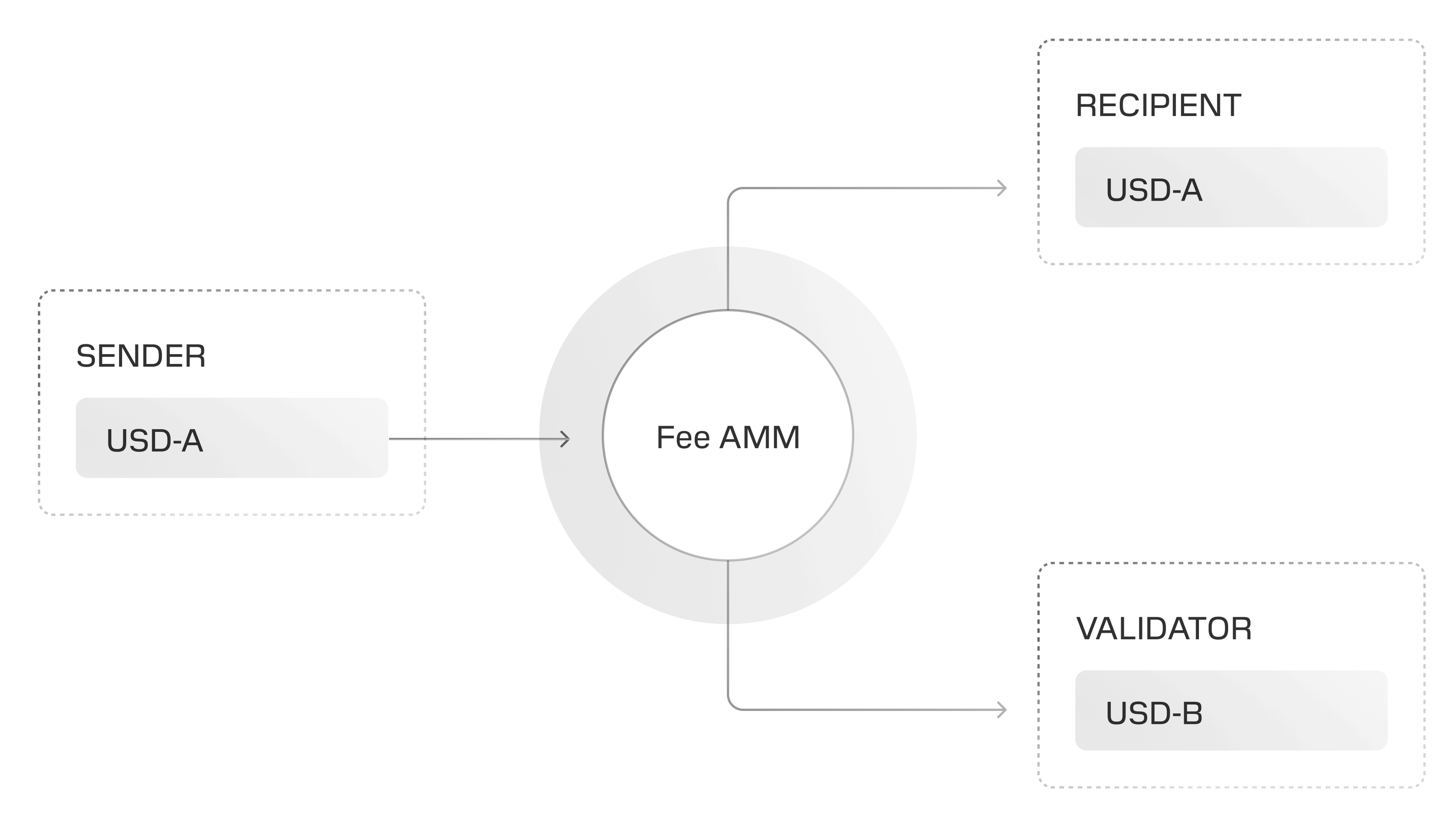
On Tempo, users can pay fees in any stablecoin, which means validators are paid in stablecoins too. The Fee AMM converts between the stablecoin the user pays and the one the validator prefers. This creates structural demand for stablecoins as network activity grows.
Protocol-level compliance
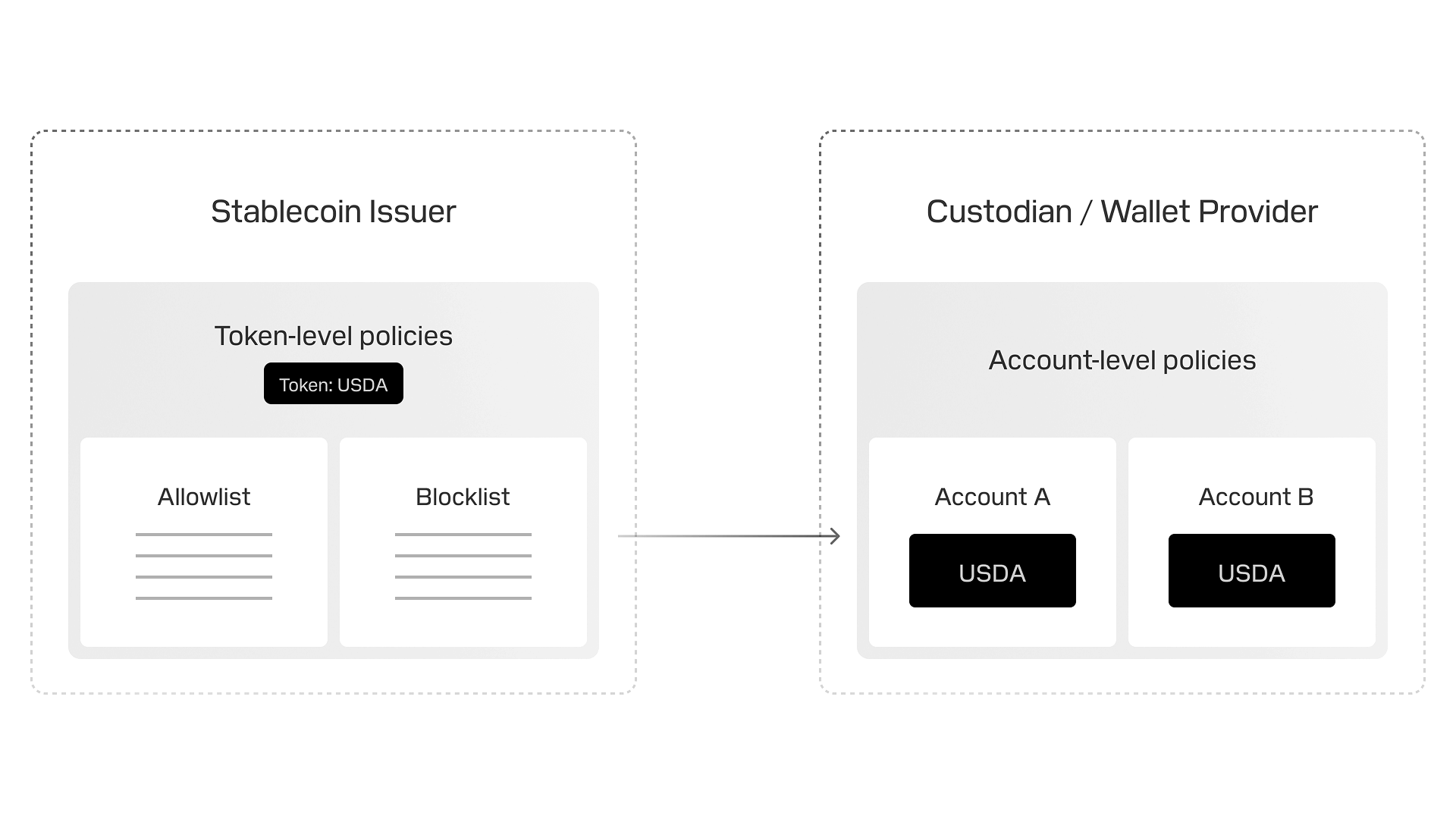
Regulated institutions require compliance controls before adopting a stablecoin. Tempo’s TIP-20 token standard supports native mint, burn, and transfer restrictions. TIP-403 Policies let you define compliance rules once and enforce them across every token you issue. Transfer Memos attach references to transfers for offchain reconciliation and compliance systems.
Role-based access control
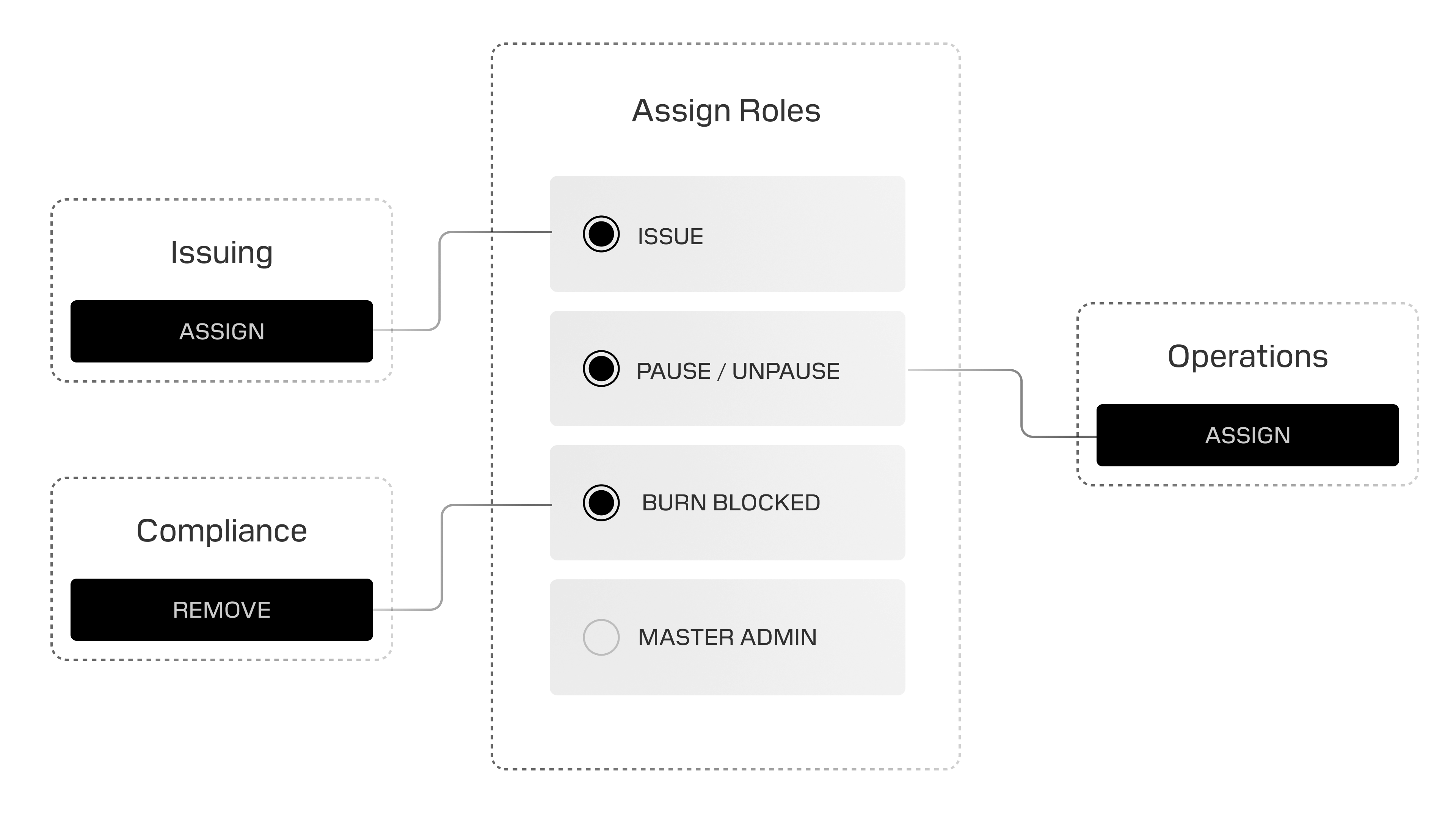
Minting, freezing, and burning blocked balances are separate roles, each delegatable to different teams or addresses. Every action is logged onchain, giving regulated issuers a complete audit trail.
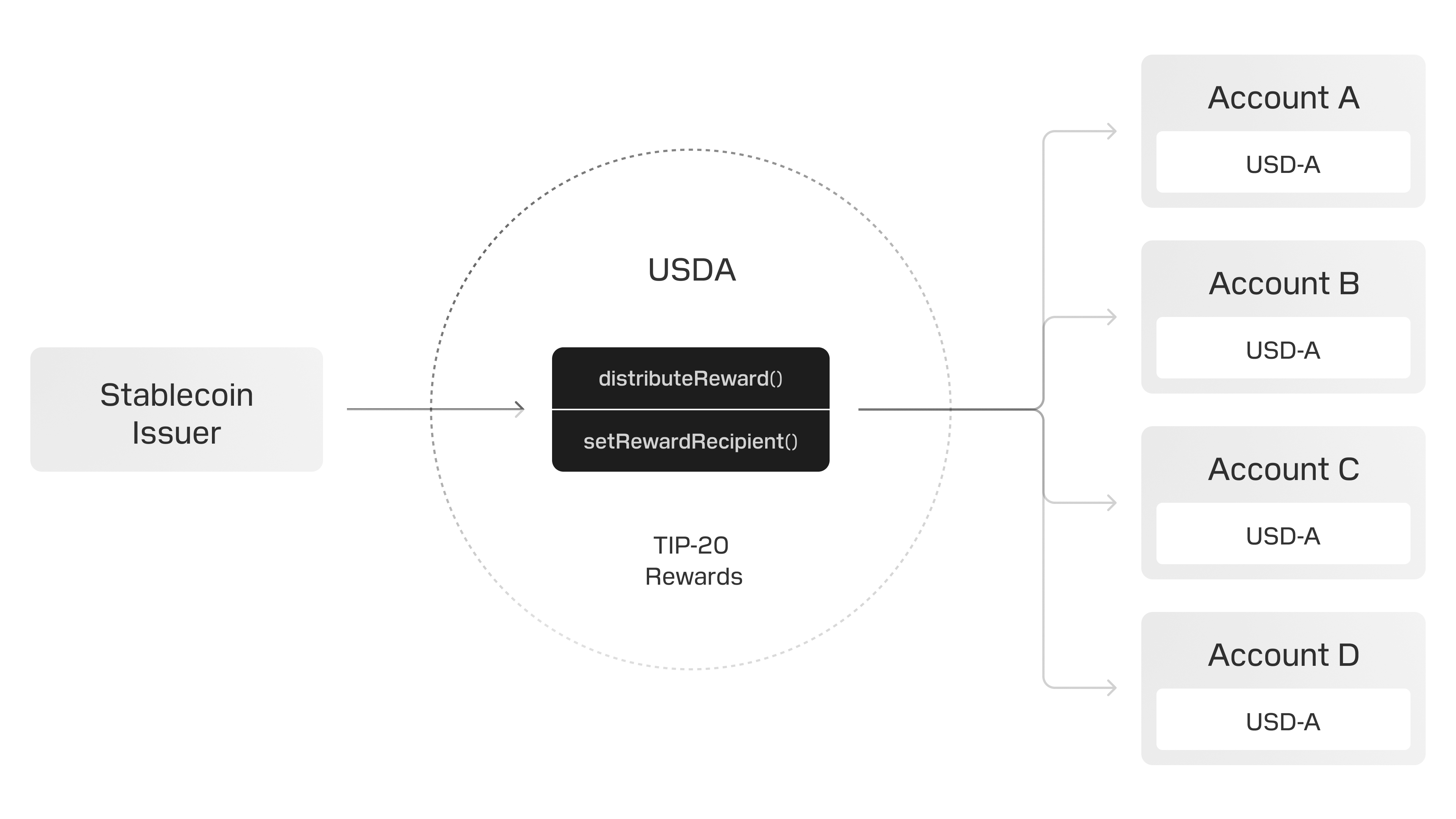
Native yield distribution
TIP-20 has reward distribution built into the token standard. Issuers call a native function and every opted-in holder receives their share proportionally. No separate staking contracts or manual reconciliation.
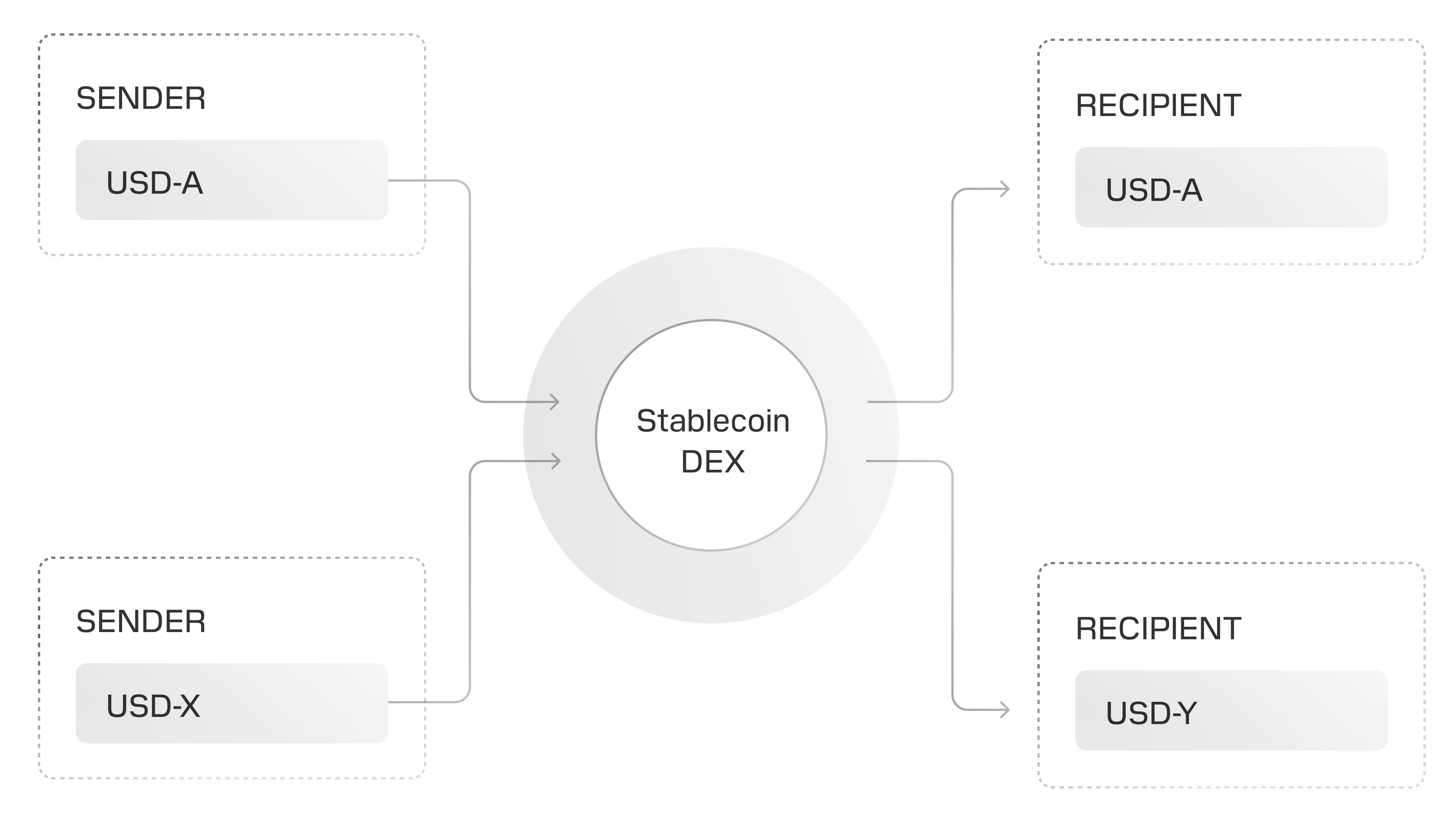
Onchain liquidity
A native stablecoin DEX lets partners move into and out of your stablecoin directly onchain, without external onramps. Onchain FX is on the roadmap, starting with non-USD stablecoins as fee tokens, with the goal of supporting stablecoins in any currency.
Together, these capabilities cover the core needs of stablecoin issuers: distribution through real payment flows, built-in compliance, and yield distribution tooling that scales.
How to get started
Issuing a stablecoin on Tempo starts with a clear use case and well-defined requirements. Here’s how to approach it:
Step 1: Define your requirements
Work with Tempo to scope your issuance. What currency is your stablecoin pegged to? Who are your target users? What regulatory and compliance requirements apply to your jurisdiction? The answers determine your token configuration and integration path.
Step 2: Review TIP-20 and Tempo Policies
TIP-20 is Tempo’s token standard for payments. Tempo Policies let you define permissioning rules at the protocol level. The Role-Based Access Control system separates operational roles (e.g., who can mint) from administrative roles (e.g., who can pause).
Step 3: Deploy on testnet
Tempo’s public testnet is live. Deploy your stablecoin, test mint and burn flows, and validate your compliance configuration before going to mainnet. Most integrations are straightforward for teams already familiar with EVM tooling.
Step 4: Connect with ecosystem partners
Learn about the Fee AMM and the stablecoin DEX. Tempo works with 60+ ecosystem partners and our enterprise team can connect you with the right partners to ensure your stablecoin has liquidity and on-ramp and off-ramp options.
Step 5: Prepare for mainnet
Before going live, work with Tempo’s team to connect with the design partners building active payment flows on Tempo. Getting your stablecoin into payroll, payout, and remittance products before launch means you are not starting from zero on day one.
Reach out to our Enterprise Team to start issuing your stablecoin on Tempo.
Frequently asked questions
Why issue a stablecoin on Tempo?
Launching a stablecoin is straightforward. Getting the adoption is the hard part. It comes down to three things: distribution, compliance that unlocks regulated holders, and economics that give distribution partners a reason to choose yours. Here is what Tempo offers:
What does the article say about Distribution into active payment flows?
Tempo is purpose-built for payments: high throughput, low cost, and native account abstraction designed for real-world use cases. Enterprises are building cross-border payouts, remittances, payroll, and embedded finance on Tempo. Issuing on Tempo means your stablecoin is available in these flows from day one.
What does the article say about Network economics that create stablecoin demand?
On Tempo, users can pay fees in any stablecoin, which means validators are paid in stablecoins too. The Fee AMM converts between the stablecoin the user pays and the one the validator prefers. This creates structural demand for stablecoins as network activity grows.
What does the article say about Protocol-level compliance?
Regulated institutions require compliance controls before adopting a stablecoin. Tempo's TIP-20 token standard supports native mint, burn, and transfer restrictions. TIP-403 Policies let you define compliance rules once and enforce them across every token you issue. Transfer Memos attach references to transfers for offchain reconciliation and compliance systems.